

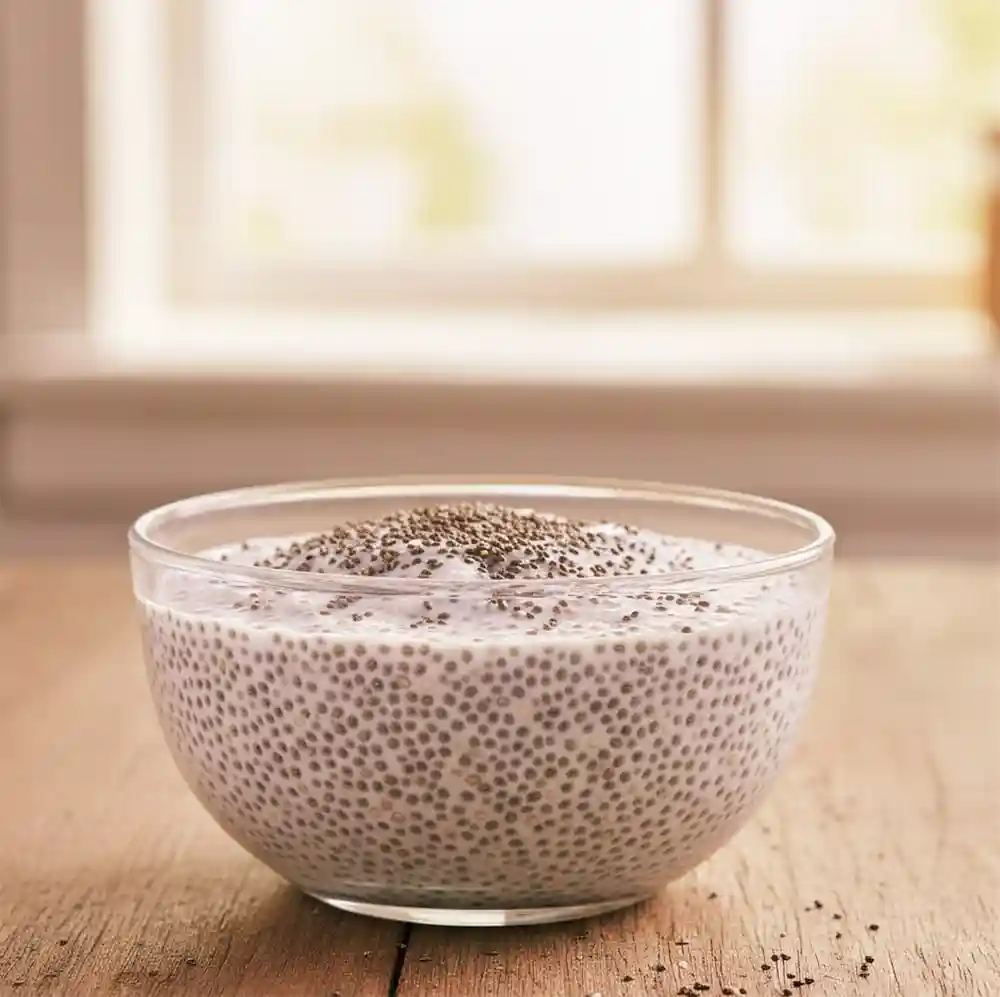

In the world of modern nutrition, few things have gained popularity as fast as chia seeds (Salvia hispanica). Once a staple food for Mesoamerican cultures like the Aztecs, these tiny seeds have claimed their spot on the global stage as a “superfood.”
The Science of the Seed Chia seeds are small, oval, and typically gray with black and white spots. What makes them unique is their hydrophilic nature—they can absorb up to 12 times their weight in liquid, creating a mucilaginous gel that is often used in puddings and beverages.
A Nutritional Powerhouse A 100-gram serving of chia seeds is a goldmine of nutrients. It contains:
- Protein: 16%
- Healthy Fats: 31% (Rich in Omega-3 fatty acids)
- Minerals: High levels of calcium, magnesium, and phosphorus.
- Vitamins: Significant amounts of thiamine and niacin.
Culinary Versatility One of the reasons for its popularity is its ease of use. You can sprinkle raw chia seeds on yogurt, mix them into smoothies, or add them to energy bars. In vegan baking, “chia gel” is a popular substitute for eggs.
Potential Side Effects and Precautions While chia seeds are generally healthy, moderation is key. Overconsumption can lead to digestive issues, bloating, or a drop in blood pressure. Due to their swelling property, they should be consumed with plenty of water to avoid choking hazards. Those on blood pressure medication should consult a doctor before making them a regular part of their diet.