

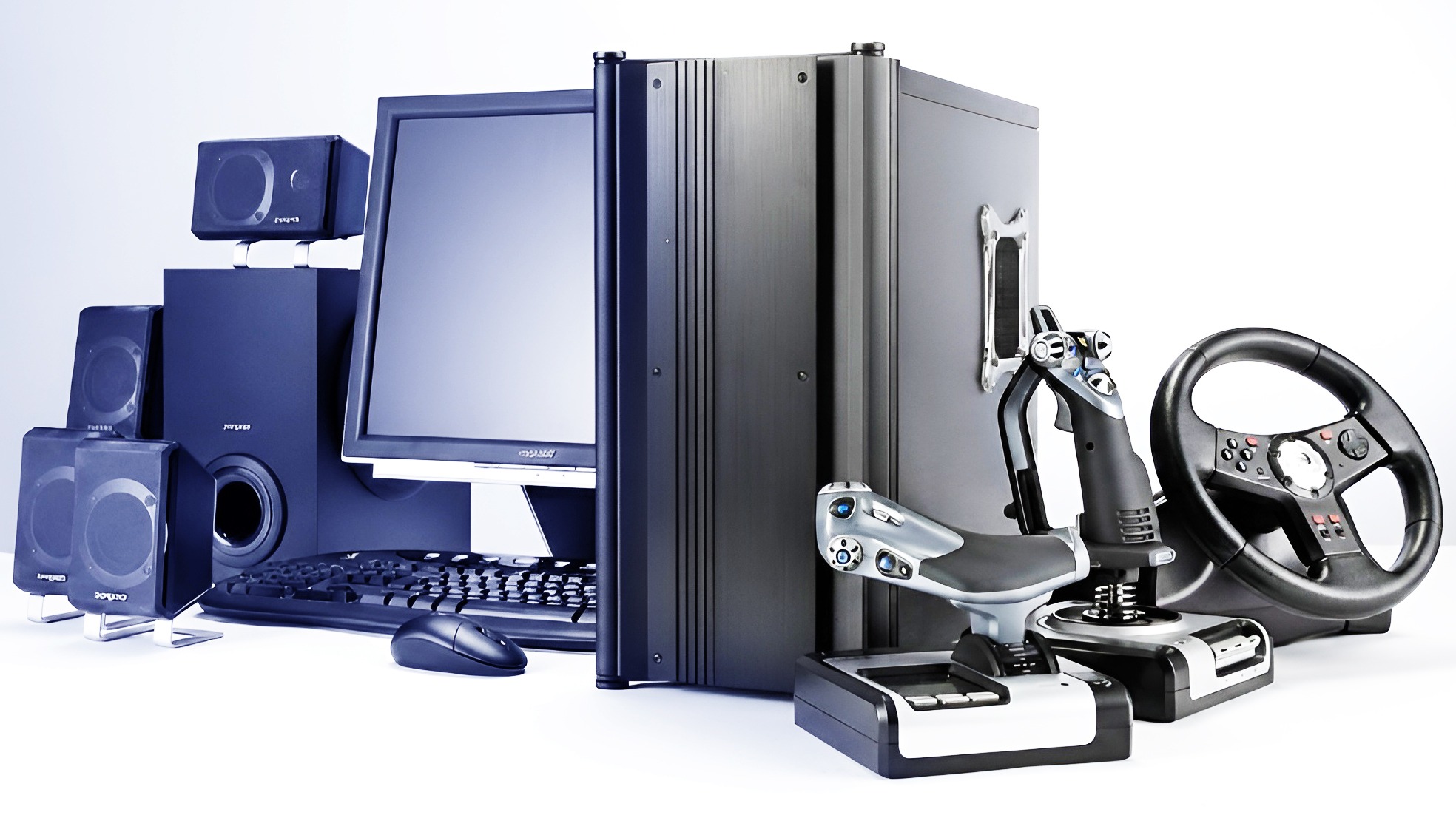

The local market for computer accessories and electronic goods has suddenly turned volatile. Within just one week, prices for everything from mice, keyboards, RAM, processors, and headphones to motherboards, graphics cards, and monitors have risen significantly. This surge has left general consumers, students, and freelancers in a difficult position.
Market analysis reveals that prices for various branded products have increased by 10% to 25% over the past few days. Retailers claim they are forced to sell at higher prices because importers have raised rates at the wholesale level.
Why are prices rising?
Businessmen and market stakeholders attribute this price hike to four primary reasons:
- US Dollar Appreciation and LC Complications: Due to the rising value of the US Dollar in the international market, importers are incurring much higher costs to open Letters of Credit (LC). These high import costs are impacting the overall market.
- Increased Shipping and Logistics Costs: Container rents and fuel prices on international routes have surged, leading to higher shipping freights. Consequently, the cost of bringing goods from abroad has multiplied.
- Global Chip Shortage: The global crisis of semiconductors or chips has not yet been fully resolved. The shortage of these essential components required for manufacturing high-tech accessories is creating a supply chain deficit.
- Import Duties and Taxes: Recent changes in the duty structure for electronic goods have contributed to the increase in the final retail price of imported products.
General Consumers in Distress
A student visiting the capital’s Multiplan Center and Agargaon IDB Bhaban remarked, “A keyboard that was available for 1,200 BDT last month is being priced at 1,500 BDT today. If prices hike so suddenly, it will become impossible for ordinary consumers like us to buy necessary devices.”
Traders warn that if supply shortages persist and the dollar market does not stabilize, there is little hope for price reductions in the near future. Instead, there are concerns that prices may rise further in new shipments once current stocks are exhausted.