

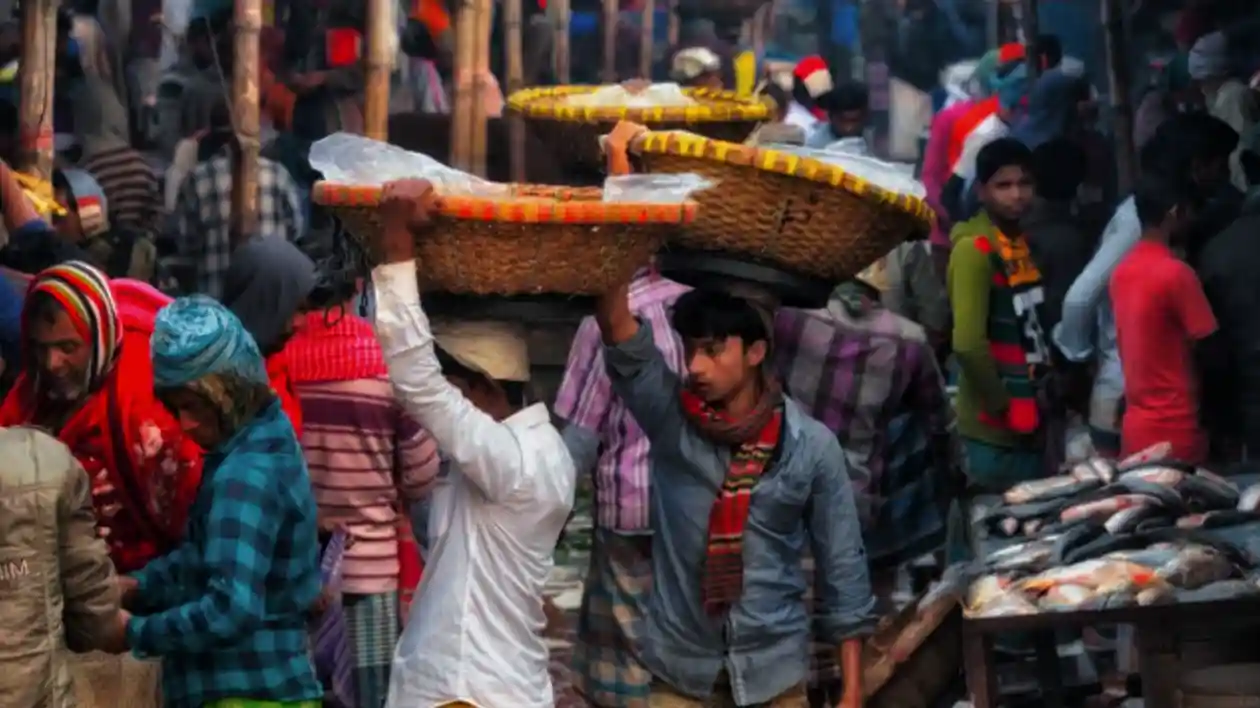

Although there are still a few days left for the holy month of Ramadan to begin, the daily necessities market has already become heated. Although the government has assured of adequate stock and import of consumer goods, its reflection is not being seen in the retail market. The common people are especially disoriented due to the pressure of increased prices in the market of iftar products, vegetables and non-vegetarian food.
The prices of the most used products during Ramadan have increased significantly in the past one week. The price of gram has increased by 10-15 taka per kg and is currently being sold at 90-100 taka. Khesari dal has crossed 100 taka depending on the quality. Despite the announcement of reducing import duty, it has not had any impact on the market. Depending on the quality, the price of ordinary dates has increased by 30-50 taka per kg and premium quality dates by up to 100 taka. Sugar in the market is 100-105 taka per kg. The price of unsalted soybean oil is also fluctuating between 185-195 taka per liter.
Lemon, an essential ingredient of iftar, has now crossed the ‘century mark’. A large lemon is being sold for 100-120 taka. In addition, the price of long brinjal for making puruguni has increased by 10-20 taka per kg to 60-70 taka.

There is no relief in the meat market either. Broiler chicken is being sold for 190-200 taka per kg and golden chicken for 330-350 taka. Beef prices are being pushed up to 800-850 taka in many places. The prices of farmed rui, tilapia, and cuttlefish are being sold for 20 to 30 taka per kg.
According to the Ministry of Commerce and Bangladesh Bank, about 40% more products have been imported this year compared to last year. Importers say there is no shortage in the supply system. However, retailers are citing temporary slowdown in port operations and increased transportation costs as an excuse.
TCB is starting to sell products at subsidized prices through truck sales across the country from Tuesday (February 17) to control the market. Along with cardholders, the general public will also be able to buy soybean oil, pulses and sugar from specific centers.
Buyers who come to the market complain that every year when Ramadan comes, an artificial crisis is created by syndicates. The general public demands that not only assurances but also strict market monitoring and appropriate action against unscrupulous traders will allow the general public to live in some peace in this month of restraint.
Therefore, it has become important to manage the market situation during Ramadan at the beginning of the newly elected government’s journey. However, this time, to keep the market stable, the government has imported 40 percent more consumer goods than last year before the election.