

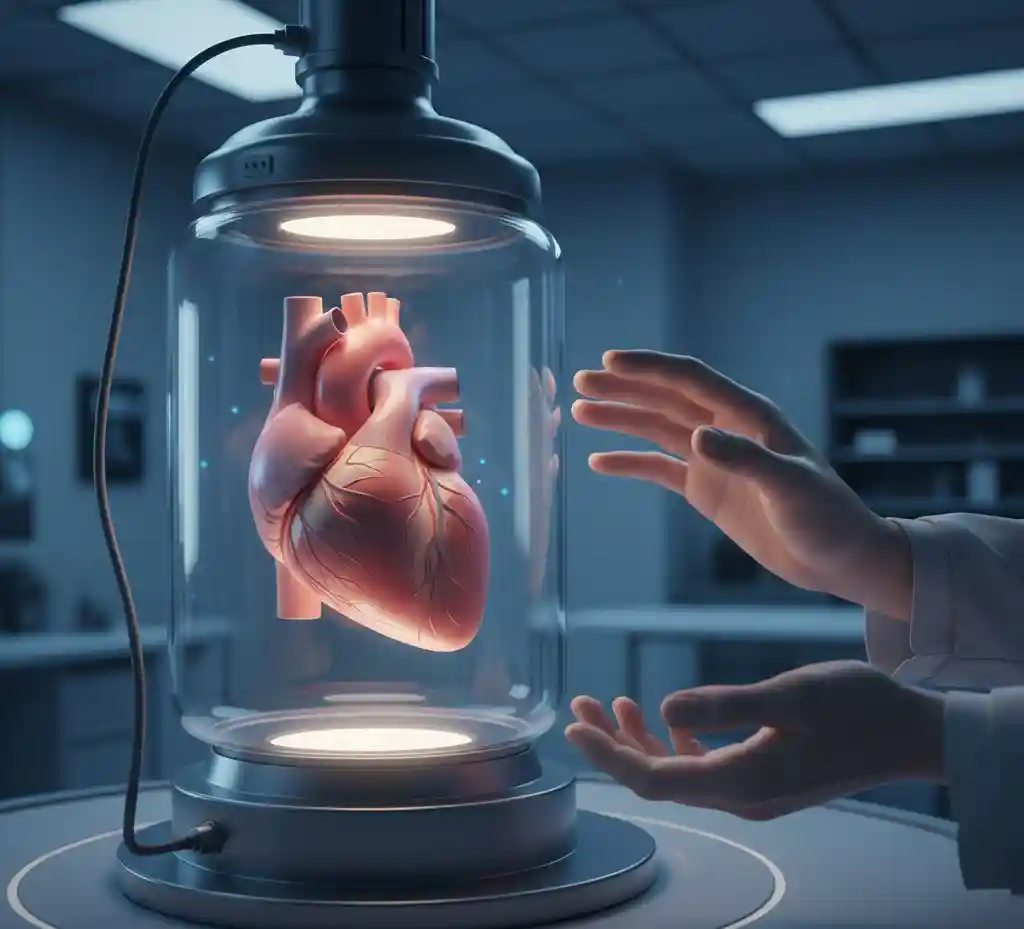

Organ transplantation is a pinnacle of modern medical science. It is a highly technologically advanced medical procedure that can bring people back from the brink of death. But behind this technology lies a profound human truth—organ transplantation does not depend solely on machines or medicine; it depends on human compassion. A recent analysis of the global and organisational context of organ procurement has shown that despite the incredible advancement of medical technology, the shortage of donors and policy complexities still remain major obstacles to this system.
Organ transplantation is not a common medical procedure. It is extremely expensive and requires advanced biotechnology and a team of highly educated specialists. However, doctors warn that a transplant does not mean a return to one’s previous state of health. A recipient must take extremely powerful and, in some cases, dangerous medications for the rest of their life.
The most important thing is that the foundation of this system is ‘donation’. In most cases, these organs are sourced from the sudden death of a young or healthy person (such as in a car accident, suicide, or violence). In other words, one person’s tragic loss becomes a blessing in another’s life. Organ procurement organisations essentially serve as a bridge between this human tragedy and modern technology.
Although the number of deceased-donor kidney transplants in the United States grew rapidly in the 1980s, the rate has been relatively stable since the 1990s. According to statistics, in 1982, there were 3,681 cadaveric The Eurotransplant International Foundation operates in countries such as Germany, Austria, and Slovenia. In 2000, approximately 19,000 kidneys were transplanted in this region, a number that rose to 8,203 in 2001. Currently, although the number of donors in the United States is increasing, it is still far short of demand.
The picture in Europe is somewhat different. The Eurotransplant International Foundation operates in countries like Germany, Austria, and Slovenia. In 2000, nearly 19,000 kidney transplants were performed in this region, which was more than in the United States at the time. The Spanish model, in particular, is now praised worldwide, with nearly 1,350 donors each year—the highest in Europe. On the other hand, in developed countries like Japan, cultural reluctance regarding brain death and religious beliefs about keeping the body intact have prevented the organ transplantation system from developing as fully.
The most important and unalterable condition for organ procurement is ‘brain death’. Only when the heart is still beating but brain function has permanently ceased can organs be harvested in a viable state. According to 2000 data, about 43 per cent of donors died from head injuries, and 41 per cent died from strokes.
Currently, the rates of liver, heart, pancreas, and lung transplants are increasing rapidly in addition to kidneys. While in the 1980s a donor would typically donate only one organ (usually a kidney), today about 76 percent of donors are donating multiple organs. This is a positive development for medical science. Furthermore, in the past, no one over the age of 50 was considered a donor, but now organs from individuals up to 75 years old are being successfully transplanted.
A positive public attitude toward organ donation is crucial. Surveys have shown that in Western countries, about 90 percent of people support organ donation. However, this level of support is not equal across all ethnic groups. While the rate is higher among white and highly educated people in the United States, some scepticism is observed among African Americans or lower-income individuals. Among African-Americans, this support is about 80 per cent.
Donor family members typically agree to organ donation for two reasons:
1. A strong desire to save another person’s life.
2. The comfort of knowing that something good can live on, even through the death of a loved one.
In contrast, the main reason those who oppose organ donation give is a lack of trust in the medical system. Many fear that if they give permission for organ donation, doctors might not try their hardest to save the patient. Additionally, religious and cultural beliefs also play a major role.
In the United States, the National Organ Transplant Act was passed in 1984 to bring transparency to the organ transplant system. Currently, it is regulated by the government, and organs are considered a “public resource”. No private organisation or individual can buy or sell organs at will, which is a punishable offence.
Many European countries have a ‘presumed consent’ law. This means that if a person does not express objection to organ donation during their lifetime, they are considered a donor after death. In Austria, Belgium, and Spain, where this rule is in place, the number of donors is much higher. However, in most cases, final consent is still obtained from the family.
In addition to organ transplantation, tissue banking for bones, ligaments, and corneas is becoming increasingly popular. Although the regulations for tissue donation are somewhat more relaxed than for organ donation, government oversight in this sector is currently increasing to ensure that infectious diseases (such as HIV or hepatitis) are not transmitted through the process.
Today, organ transplantation is not just a science; it has become a social movement. While advanced technology has given us the ability to replace our livers or hearts, that ‘gift’ must come from a human heart. The future challenge for medical science is to build public trust in the healthcare system and to reach the families of potential donors in time. Only then will it be possible to light the flame of life in another being from the ashes of death.